Writing Resources: A Poetry Handbook
This post contains affiliate links. Poetry is the music of language, the fine art of the written word. It demands a broad vocabulary and creative thinking. It promotes rhythm and meter, and it invites imagery. Poetry engages the imagination, stimulates the intellect, and touches the heart. Reading and writing poetry are excellent practices for any writer….Read More

12 Nature-Inspired Creative Writing Prompts
Today’s post includes a selection of prompts from my book, 1200 Creative Writing Prompts. Enjoy! Creative writing prompts are excellent tools for writers who are feeling uninspired or who simply want to tackle a new writing challenge. Today’s creative writing prompts focus on nature. For centuries, writers have been composing poems that celebrate nature, stories…Read More
Poetry Writing Exercises to Engage the Senses
Ah, the senses: sight, sound, smell, taste, and touch. How do they relate to poetry writing? We delight in the pleasures of the senses, but infusing poetry with sensory stimulation is not an easy task. It takes a deft and creative writer to forge images — using text — that engage a reader’s senses. So…Read More
Tips for Developing Story Writing Ideas
This post contains affiliate links that earn commissions. Short stories, flash fiction, novels, and novellas: there are countless stories floating around out there — and those are just the fictional works. It’s no wonder writers get frustrated trying to come up with a simple concept for a story. One look at the market tells you…Read More
Reading, Writing, and Reviewing Good Poems
I’ve always loved writing poetry. It’s a highly artistic and expressive form of writing. Poems can be intellectual, emotional, or abstract. Poetry can feel like a snapshot of a moment in time, or it can feel like a riveting three-hour film. Every poem offers a unique perspective and experience. I believe that all poetry is…Read More
Consuming Art to Fuel Your Writing
Today I’d like to share an excerpt from my book, Ready, Set, Write: A Guide to Creative Writing. This is from a chapter titled “Consuming Art.” Consuming Art If we don’t consume art, especially written works, on a regular basis, our creativity will dry up, and our writing will suffer. Art is food for the soul….Read More
How to Improve Your Writing
Have you ever put a project on hold because your writing skills weren’t up to par yet? Do you ever set ideas aside because they seem too ambitious and you don’t feel ready to tackle them? Have you ever wondered how to improve your writing so you would be better equipped to handle more complex…Read More
Writing Tips: Be Yourself
As writers, we strive to connect with a reading audience. After all, writing is all about communication. Whether we’re sharing our personal experiences, imparting ideas and information, or creating rich, compelling stories, we want our words to ring true. We want our work to be authentic. And there’s only one way to achieve authenticity: be…Read More
A Must-Read for Storytellers: Save the Cat
This post contains affiliate links. “It’s the scene where we meet the hero, and the hero does something — like saving a cat — that defines who he is and makes us, the audience, like him.” — Blake Snyder, Save the Cat Save the Cat is packed with goodies for storytellers! But Save the Cat offers…Read More
Poetry Prompts for Language Lovers
Poets have a unique relationship with language. For a poet, language is more than a tool for communication; it’s a set of paints and paintbrushes that can be used to create scenes and images that resonate with readers. A poet must then foster a loving relationship with language, learning its secrets, understanding its idiosyncrasies, and…Read More
Subscribe
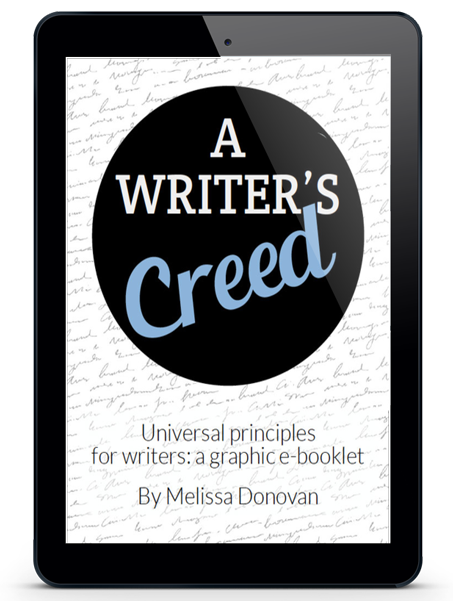
Subscribe and get The Writer’s Creed graphic e-booklet, plus a weekly digest with the latest articles on writing, as well as special offers and exclusive content.